
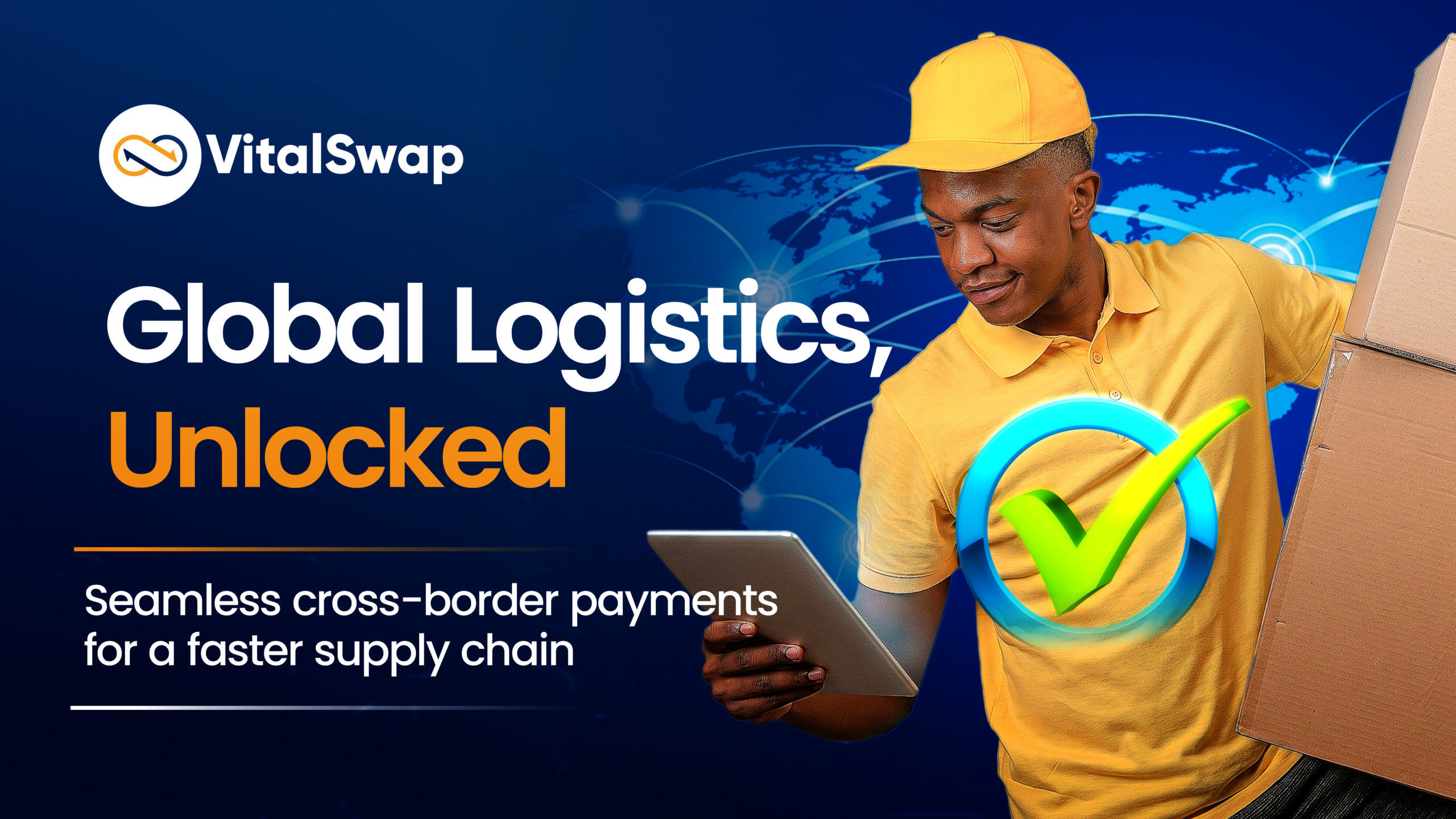
International payments for logistics companies have become increasingly important as the industry continues to rely on speed, coordination, and reliability. Whether it’s moving goods across continents, paying freight forwarders, settling customs fees, or managing supplier invoices, logistics companies depend heavily on seamless financial operations.
However, one challenge continues to slow down many businesses in the sector: international payments.
From delayed bank transfers and high transaction fees to currency conversion losses and failed card payments, managing cross-border transactions can become a major operational bottleneck.
For logistics companies working with international carriers, suppliers, warehouses, and service providers, efficient payment processes are no longer optional but rather they are essential for maintaining smooth supply chain operations.
In this guide, we’ll explore the common challenges surrounding international payments for logistics companies and practical strategies for managing them efficiently.
Why International Payments for Logistics Companies Matter
Unlike many businesses that operate within a single market, logistics companies frequently interact with partners across different countries.
These payments may include:
- Freight forwarding charges
- Shipping and carrier fees
- Customs duties and taxes
- Warehouse and storage costs
- Supplier payments
- Software and operational tools
- International contractor payments
Any delay in settling these obligations can disrupt shipment schedules, strain business relationships, and increase operational costs.
This is why efficient international payments for logistics companies have become a critical part of modern supply chain management.
Efficient international payments help logistics companies:
- Maintain healthy supplier relationships
- Avoid shipment delays
- Improve cash flow management
- Reduce operational costs
- Scale global operations confidently
Common International Payment Challenges Logistics Companies Face
1. Slow Bank Transfers
International bank transfers often take several business days to process when sent through traditional banking rails.
For logistics businesses operating on strict timelines, delayed payments can lead to:
- Shipment hold-ups
- Delayed cargo releases
- Missed payment deadlines
- Operational disruptions
The longer a payment takes to arrive, the greater the risk of affecting the supply chain.
2. High Transaction Costs
Rising fees are one of the biggest obstacles affecting international payments for logistics companies, especially businesses handling multiple transactions every month.
Many logistics companies unknowingly lose money through:
- Wire transfer fees
- Intermediary bank charges
- Foreign exchange markups
- Currency conversion fees
While these costs may seem small individually, they accumulate significantly over time, especially for businesses making frequent international payments.
3. Foreign Exchange Volatility
Exchange rates can fluctuate daily.
For logistics companies handling payments in USD, EUR, GBP, CAD, or other foreign currencies, unfavorable exchange rates can increase operational expenses and reduce profit margins.
Without proper currency management, budgeting becomes more difficult and unpredictable.
More on this Topic: The Smart Way to Get Better Exchange Rates in Nigeria
4. Limited Payment Options
Flexible payment infrastructure is essential for improving international payments for logistics companies operating across multiple countries.
Some international vendors and service providers only accept specific payment methods.
For example:
- Online service subscriptions may require a payment card.
- Certain suppliers may request transfers in USD.
- Software providers may not support local payment methods.
This creates unnecessary friction for logistics businesses trying to manage global operations.
To overcome these challenges, businesses increasingly rely on payment solutions that support multiple payment methods and provide greater flexibility across different markets.
For example, payment infrastructures like the VitalSwap Checkout API enable businesses to integrate multiple payment options into a single system, making it easier to collect payments, support customers across different regions, and streamline financial operations without relying on fragmented solutions.
Dive deeper on: How Checkout APIs Are Helping Nigerian Businesses Receive Payments Effortlessly
5. Poor Visibility Into Payment Processes
Many businesses struggle to track payment status in real time.
Questions like:
- Has the supplier received the payment?
- Is the transfer still processing?
- Were additional fees deducted?
can create uncertainty and delay decision-making.
Without proper visibility, operational teams may spend valuable time manually following up on transactions instead of focusing on core logistics activities.
This is where centralized financial management tools become increasingly important. Platforms such as the VitalSwap Business Dashboard help businesses monitor transactions in real time, manage wallets, configure payout workflows, and provide multi-user access for different team members.
By centralizing financial operations, logistics companies can improve transparency, reduce operational bottlenecks, and make faster decisions across the supply chain.
Best Practices for International Payments for Logistics Companies
Maintain Access to Foreign Currency Accounts
One of the most effective ways to streamline international payments is by maintaining access to foreign currency accounts.
Holding funds in currencies such as USD, EUR, GBP, CAD allows logistics companies to:
- Receive payments from international clients
- Manage supplier payments more efficiently
- Reduce unnecessary conversion costs
- Improve cash flow planning
Instead of converting funds repeatedly, businesses can pay global partners directly from their foreign currency balance.
Use Reliable Cross-Border Payment Solutions
Choosing the right platform can significantly improve international payments for logistics companies by reducing delays and lowering operational costs.
Modern payment platforms have significantly improved how businesses send and receive money internationally.
Compared to traditional banking systems, these solutions often provide:
- Faster payment processing
- Competitive and flexible exchange rates
- Lower transaction fees
- Better and real-time payment tracking
Choosing the right payment partner can help logistics companies reduce delays and improve operational efficiency.
Dive deeper: How to Receive Payments From International Clients in Nigeria
Separate Business Expenses From Supplier Payments
Many logistics businesses combine operational expenses and supplier payments within the same financial workflow.
A better approach is to separate:
- Supplier invoices
- Freight charges
- Team expenses
- Software subscriptions
This improves financial visibility and makes reconciliation much easier.
It also helps businesses understand where funds are being spent and identify opportunities to reduce costs.
Use High-Value Transfers for International Business Payments
Logistics companies often handle large transactions involving suppliers, freight forwarders, shipping partners, and overseas vendors. These payments require speed, reliability, and the ability to move significant amounts without unnecessary delays.
High-Value Transfers (HVT) have become increasingly important for businesses managing cross-border operations, as they provide a more efficient way to settle large international obligations.
They can be used for:
- Supplier payments
- Freight forwarding charges
- Overseas vendor settlements
- Inventory procurement
- Warehouse and storage fees
- Customs and shipping-related expenses
By using reliable high-value transfer solutions, logistics companies can improve cash flow, reduce payment friction, and keep their supply chains running smoothly.
For businesses that frequently send large international payments, solutions like VitalSwap’s High-Value Transfers (HVT) provide a secure and efficient way to manage cross-border transactions while maintaining greater control over business finances.
Also worth reading: How to Send High-Value International Transfers With VitalSwap
Improve Payment Planning
Many payment delays occur because businesses wait until the last minute to process transactions.
A proactive payment strategy includes:
- Scheduling recurring payments
- Forecasting supplier obligations
- Monitoring exchange rates
- Maintaining sufficient foreign currency balances
Good planning helps logistics companies avoid disruptions and maintain strong vendor relationships.
How Technology Is Transforming Logistics Payments
The logistics industry is becoming increasingly digital.
Businesses now use technology to:
- Automate payment workflows
- Track invoices
- Monitor cash flow
- Manage global vendors
- Improve payment visibility
As logistics operations become more global, businesses that adopt modern payment infrastructure gain a competitive advantage.
Efficient payment systems help teams spend less time dealing with financial bottlenecks and more time focusing on growth.
Choosing the Right Solution for International Payments for Logistics Companies
When evaluating an international payment solution, logistics companies should consider:
- Speed
How quickly can payments be processed?
- Cost
Are fees transparent and competitive?
- Currency Support
Can the platform support multiple currencies?
- Payment Flexibility
Does it offer high-value transfers, unified business dashboard, and business payment tools?
- Reliability
Can the platform support frequent international transactions without disruptions?
The ideal solution should simplify operations while helping businesses maintain control over their finances.
The Bottom Line
Managing international payments for logistics companies efficiently is critical in today’s global economy.
From paying suppliers and freight partners to managing software subscriptions and operational expenses, every transaction plays a role in keeping the supply chain moving.
By adopting modern payment solutions, maintaining access to foreign currency accounts, using virtual cards, and improving payment planning, logistics businesses can reduce costs, minimize delays, and improve overall efficiency.
As global trade continues to expand, companies that optimize their payment processes will be better positioned to scale, compete, and serve customers across borders.
Whether you need high-speed processing, competitive rates, multi-currency support, or versatile payment tools like virtual cards, VitalSwap delivers the reliability and flexibility your logistics business demands.
Experience a unified platform designed to streamline your global operations and keep your supply chain moving.