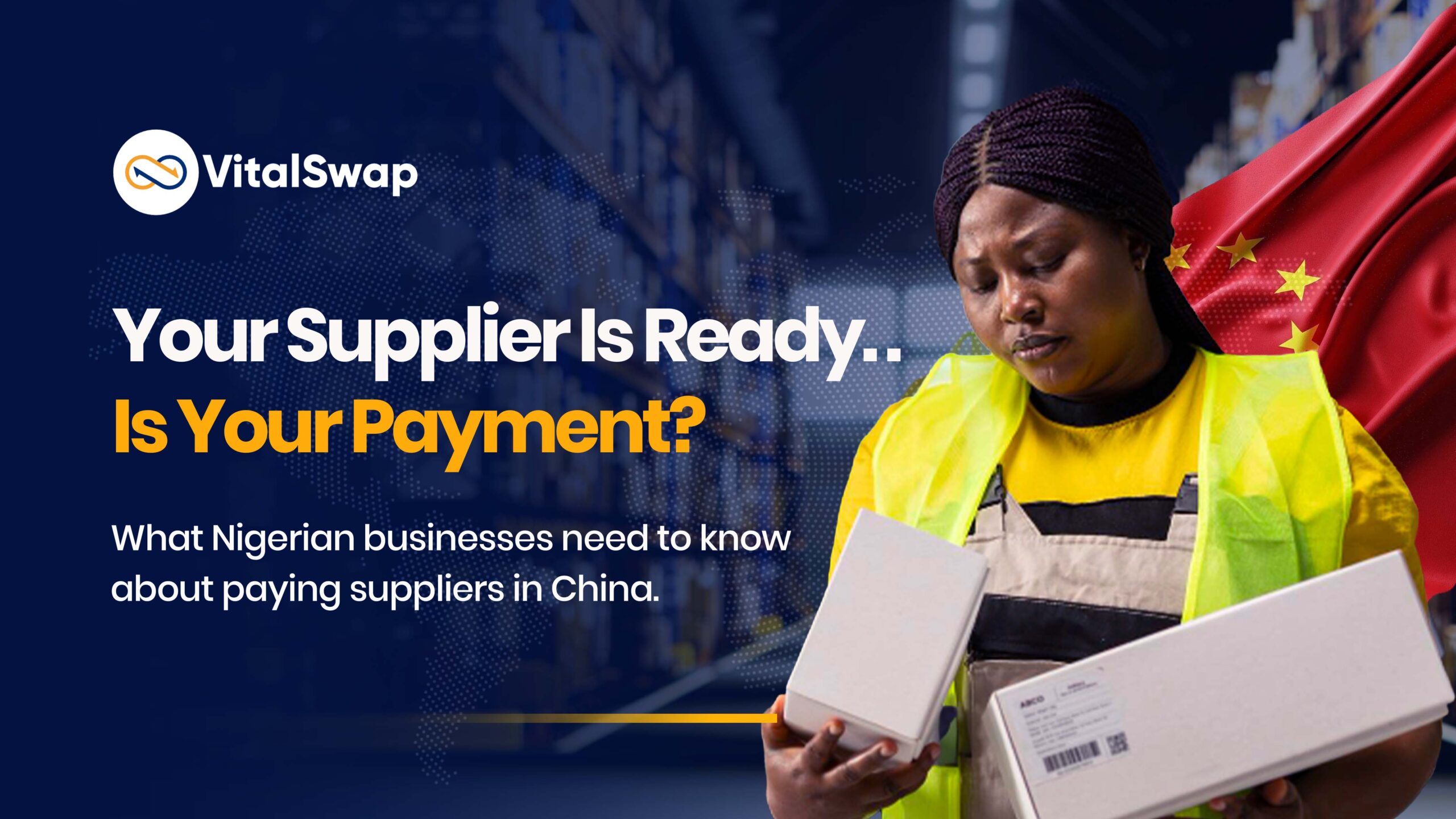
China is an important sourcing market for many Nigerian businesses.From electronics and machinery to clothing, spare parts, equipment and other goods, many businesses across Nigeria rely on Chinese suppliers to keep their operations running.
But finding a supplier is only one part of the process.You also need a reliable way to pay them.
For Nigerian businesses making cross-border payments to China, an unreliable payment process can affect everything from your goods to your relationship with the supplier. Here’s your guide on paying Chinese suppliers from Nigeria.
Cross-Border Payments to China: 7 Things Nigerian Businesses Should Note Before Paying Suppliers
For an importer, a typical transaction may involve a supplier invoice, foreign exchange, shipping arrangements, customs and other costs associated with bringing goods into Nigeria.
This means your cross-border payments to China should be considered as part of the purchasing process rather than something to figure out after you’ve placed an order. Here are some important things to consider before making your next payment to a Chinese supplier.
1. Confirm Exactly Who You’re Paying
Before making cross-border payments to China, carefully review the payment instructions provided by your supplier. Make sure the details on the invoice match the information you have been given before initiating the transfer.
Pay particular attention to:
- Supplier or beneficiary name
- Bank account details
- Receiving bank information
- Invoice number
- Payment amount
- Payment deadline
For large international payments, a few extra minutes of verification can protect your business from a costly mistake.
2. Know Exactly How Much USD You Need to Send
For the type of cross-border payments to China Nigerian businesses commonly make through international payment services, the supplier may provide an invoice in USD.
That means your planning should start with the exact USD amount that needs to reach the supplier.
Don’t simply estimate the amount based on an old exchange rate or previous transaction.
Before initiating the payment, confirm:
- The exact USD amount on the invoice
- Any applicable payment charges
- The agreed payment deadline
- The beneficiary’s payment instructions
This gives you a clearer picture of what the transaction will actually require from your business.
3. Look Beyond the Exchange Rate
When making cross-border payments to China, the exchange rate is important, but it isn’t the only cost to consider.
Depending on the payment method and transaction, there may also be fees or other costs associated with completing an international transfer.
This becomes especially important when you’re making a large payment.
For example, a small difference in the effective cost of a transaction can become significant when you’re paying the equivalent of millions of naira.
So instead of asking only:
“What’s the exchange rate?”
Consider the bigger question:
“How much will this payment cost my business?”
Also worth reading: Tired of Bad Exchange Rates? Here’s How Nigerians Are Taking Control of Their FX Deals
4. Don’t Let Payment Delays Hold Up Your Order
Imagine you’ve negotiated a good price with a supplier in China.
You’ve agreed on the products, quantity and delivery arrangements. But the supplier is waiting for payment before they begin processing the order.
If the payment takes longer than expected, your entire timeline could be affected.
This is why cross-border payments to China should be planned around the supplier’s deadline.
If your supplier needs payment before production or shipment can begin, make sure you understand the expected payment timeline before committing to the order.
Your payment deadline can become your supplier’s production deadline.
5. Keep Your Payment Documents Organised
International business payments should have a clear paper trail.
Before making cross-border payments to China, keep the relevant documents together, including:
- Proforma or commercial invoice
- Purchase order
- Supplier information
- Payment instructions
- Transaction confirmation
- Relevant business documentation
Having these documents readily available makes it easier to explain the purpose of a transaction if additional information is required during the payment process.
It also gives your business a clearer record of what was purchased, who was paid and how much was sent.
6. Be Careful When Supplier Details Change
If your Chinese supplier sends a new bank account or asks you to make the payment to a different beneficiary, don’t rush to transfer the money. Verify the new information independently using a trusted contact at the supplier’s business.
This is particularly important for cross-border payments to China involving large amounts.
The fact that the message appears to come from someone you’ve dealt with before doesn’t automatically mean the new payment details are genuine.
7. Plan the Payment Before You Place the Order
One of the easiest ways to make cross-border payments to China more manageable is to think about the payment before placing the order.
Before committing to a large purchase, consider:
- How much USD will the supplier require?
- When does the supplier need payment?
- What payment details will they provide?
- What documents will you need?
- What will the transaction cost your business?
- How will the payment affect your cash flow?
These questions can help you identify potential problems before you’ve committed your business to the transaction.
Don’t wait for the invoice to arrive before thinking about how you’ll pay it.
8. Choose a Payment Method That Fits the Transaction
Not every international payment is the same.
A business making a small occasional purchase from China may have very different requirements from an importer making large supplier payments every month.
When considering cross-border payments to China, think about:
- The size of the payment.
- The supplier’s deadline.
- The purpose of the transaction.
- The documentation required.
- How frequently your business makes international payments.
The right payment setup should fit the transaction rather than forcing your business to work around the limitations of a payment method.
How VitalSwap Can Help With Cross-Border Payments to China
For Nigerian businesses paying suppliers internationally, the payment process shouldn’t become a headache every time an invoice arrives.
VitalSwap provides international payment solutions that help businesses move money from Nigeria to global destinations, including USD payments to suppliers and businesses in China.
For businesses handling larger transactions, VitalSwap High Value Transfers (HVT) support international transfers from $5,000 to $5 million.
This can be particularly useful for businesses making larger supplier payments where the amount, timing and payment process all need to be carefully managed.
Related: Learn more about VitalSwap’s High Value Transfer service
Final Thoughts
China can be an important sourcing market for Nigerian businesses, but securing the right supplier is only part of the process.
The payment matters too.
Before making your next cross-border payment to China, confirm the USD amount, verify your beneficiary details, understand the total cost, keep your documentation organised and plan around the supplier’s deadline.
Looking for a better way to manage your international business payments?